


Why Choose A Detangling Brush?
If daily hair brushing feels like a battle, a detangling brush can completely change the game.
Designed with flexible bristles that move with the hair, not against it, this kind of brush makes knots easier to manage, without the tears, tugging or stress.
- Pain-free hair brushing: Soft, flexible bristles gently glide through tangled hair, making it ideal for kids with sensitive scalps
- Faster detangling: Glides through knots quickly, so you can get out the door sooner with smooth, manageable hair
- Less breakage, healthier hair: Unlike traditional brushes, boar bristle brushes or metal pin brushes, a detangling brush helps minimise pulling, snagging and damage
The result? Smoother, stronger hair and a brushing routine that actually feels easy for both of you.

Which Detangling Brush Is Right for My Child?
Choosing the right brush depends on your child’s hair type and your daily routine. Our range includes parent-approved favourites designed to tackle the most common tangled-hair situations.
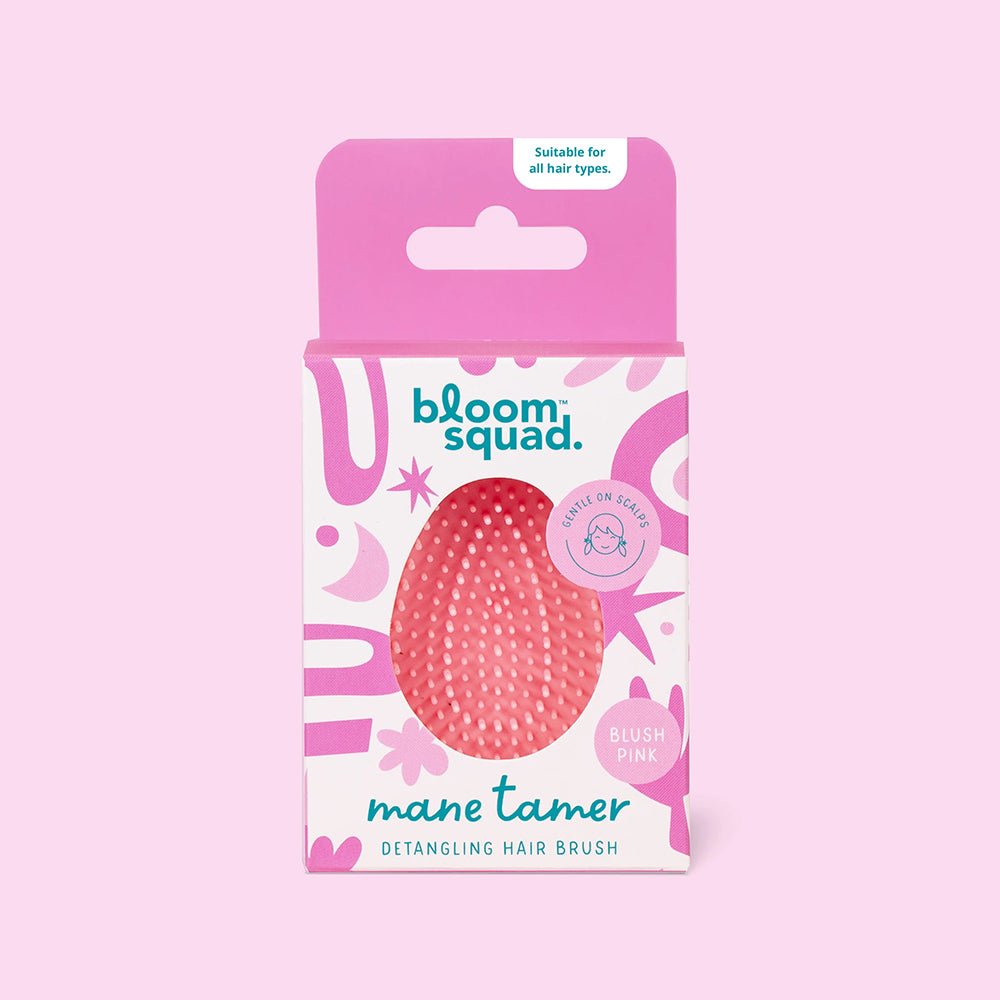
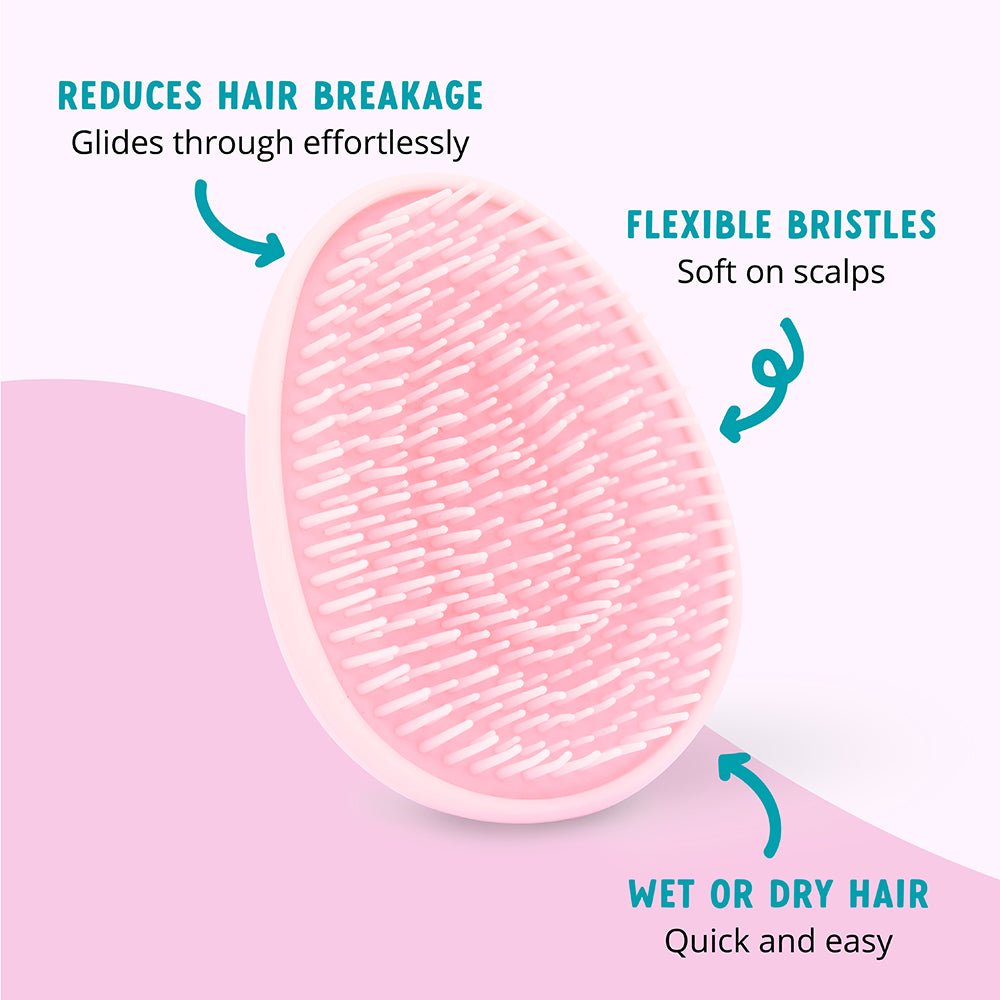
Our Mane Tamer Detangling Brush is a handy go-to for quick and easy detangling, thanks to its gentle, low-friction, flexible bristle design. Perfect for removing those really gnarly, stubborn knots (we all know the ones). The compact size also makes it a great option for on-the-go.
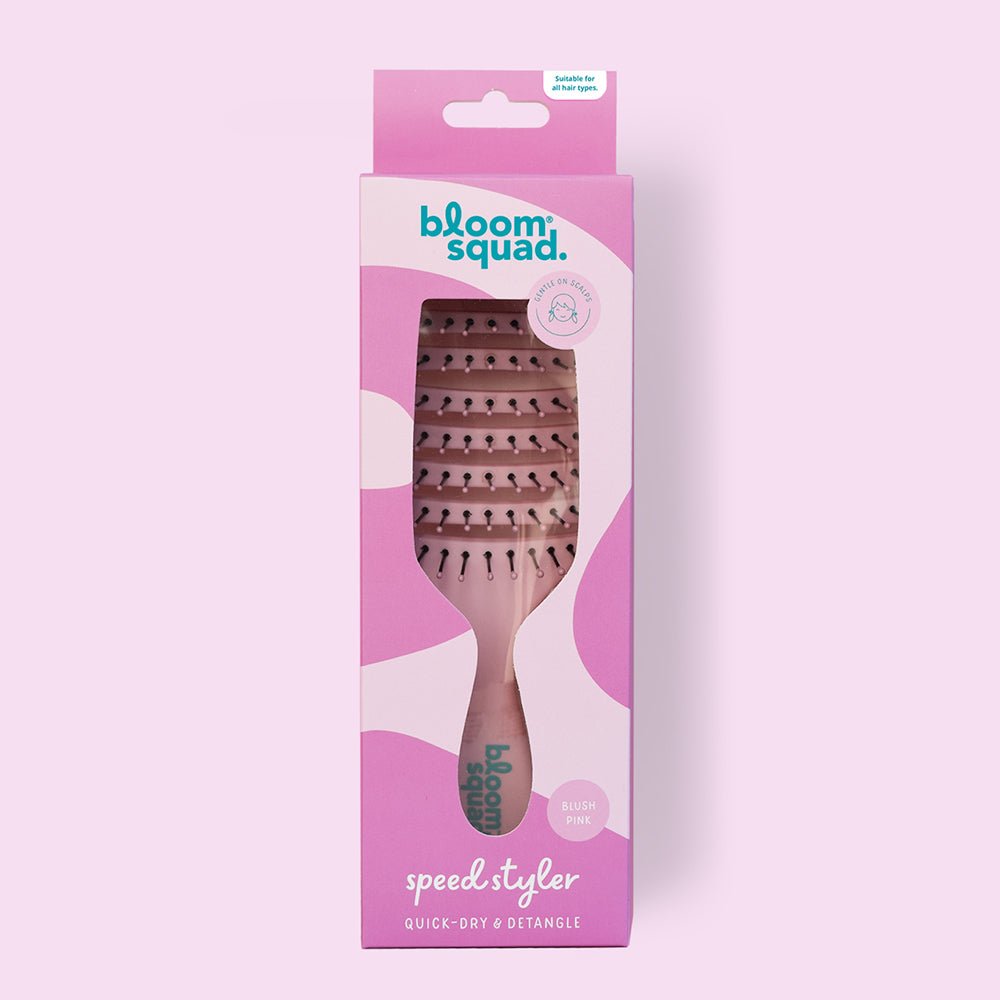
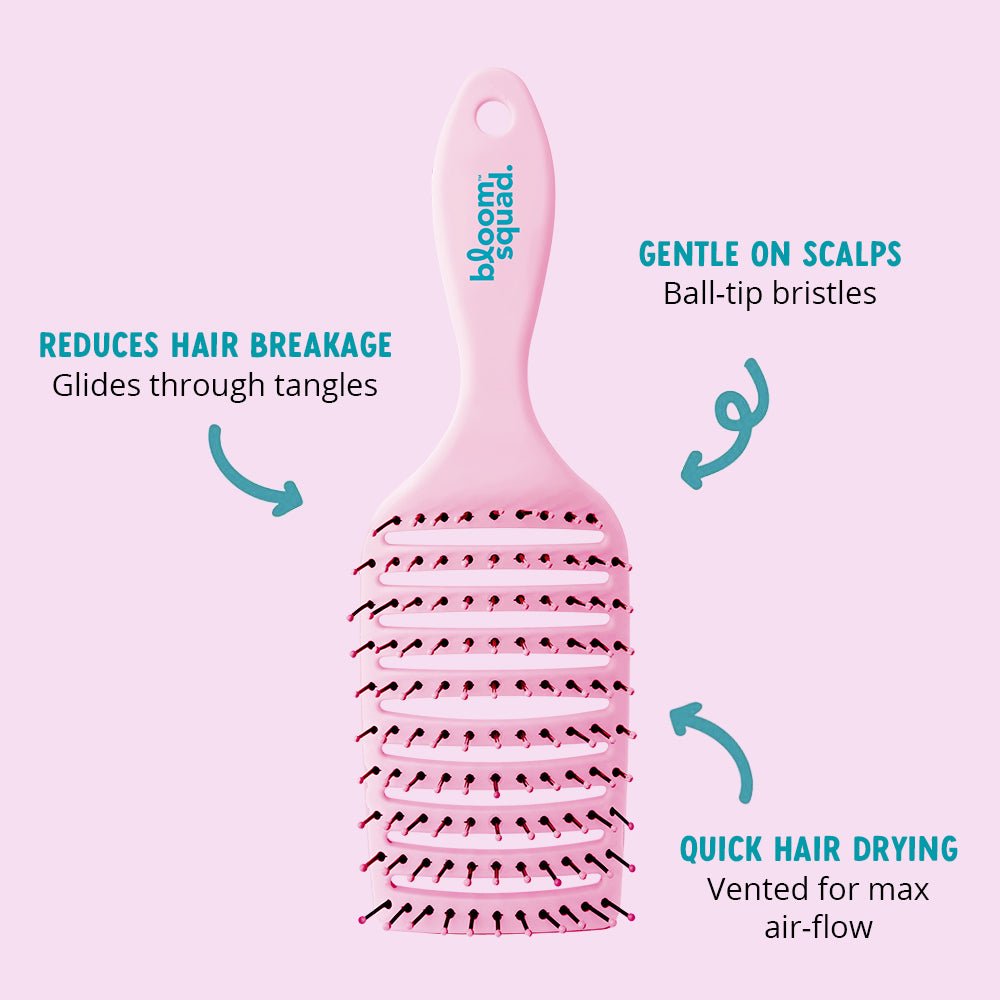
The Speed Styler Detangling Brush is a parent favourite for a reason. Featuring a sturdy handle and flexible, wide-set bristles, this hair brush is ideal for daily use, on wet or dry hair. The vented design increases air flow, helping speed up drying time when brushing wet hair after baths, showers, or swim session.
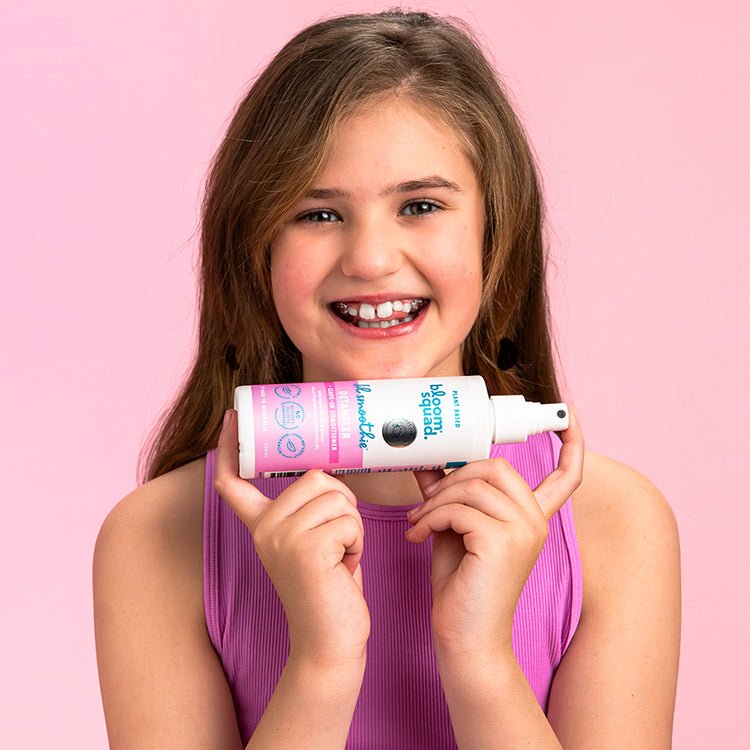
DETANGLING SPRAY
The Perfect Pairing for Detangling Brushes
For the ultimate stress-free hair routine, pair a Detangling Brush with our natural, ultra-hydrating 5 Star Rated Lil Smoothie® Detangling Spray Ideal for in-between washes for softer, smoother and instantly detangled hair.
FAQ
What is the best way to detangle kids’ hair without pain?
The best way to detangle kids’ hair is to use a detangling spray and a detangling brush together. Start on damp or lightly misted hair, work in sections, and always brush from the ends up to avoid pulling. This helps reduce breakage and makes brushing far more comfortable for your child.
What causes tangled hair in kids?
Tangled hair is usually caused by dryness, friction and damage. Things like swimming, sleeping, fine hair texture and lack of moisture can all lead to more knots. Using a kids detangler regularly helps keep hair smooth, hydrated and easier to manage.
What type of brush is best for tangled hair?
A detangling brush with flexible bristles is best for tangled hair. It gently moves through knots without pulling or snapping the hair, unlike traditional or rigid brushes.
How can I stop my child’s hair from getting so tangled?
The key is prevention. Using a detangling spray, conditioning regularly, brushing daily and protecting hair during sleep (like loose braids) can all help reduce tangles long-term.
Why does my child still get tangles after brushing?
If hair is dry, damaged, or not being thoroughly cleansed of styling products, dirt, debris and build-up, tangles can come back quickly. Adding a leave-in detangler helps keep hair smooth and protected throughout the day, so knots are less likely to reform.
Can a detangling brush be used on curly or thick hair?
Yes. A detangler brush works well on curly, thick or long hair because it moves through knots without disrupting the hair pattern or causing excessive breakage.
How often should I brush my child’s hair to prevent tangles?
Brushing once or twice daily with a detangling brush helps prevent knots from building up. Regular brushing keeps hair smooth, distributes natural oils and reduces matting.